Category: History
-
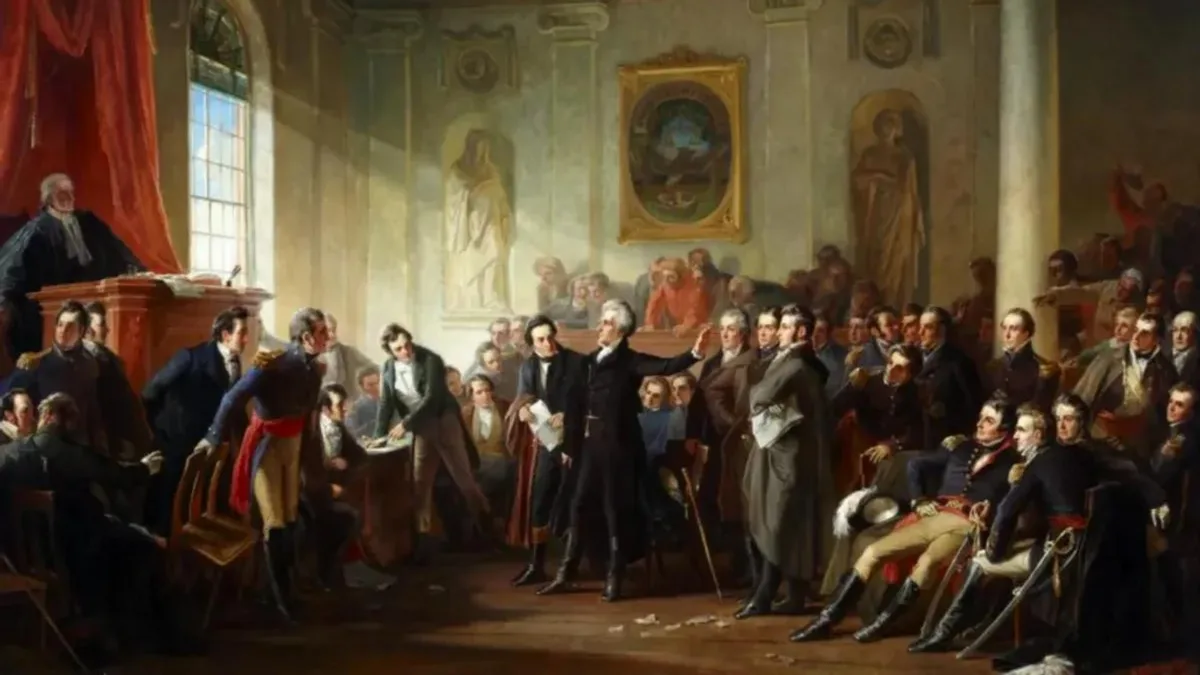
The Election of 1828: Jackson’s Revenge
The Election of 1828 is remembered as one of the nastiest in U.S. history. It was a rematch between Andrew Jackson and incumbent President John Quincy Adams, and it ended with the rise of a new political order in America. The Shadow of 1824 The campaign was haunted by the controversial finish of the Election…
-
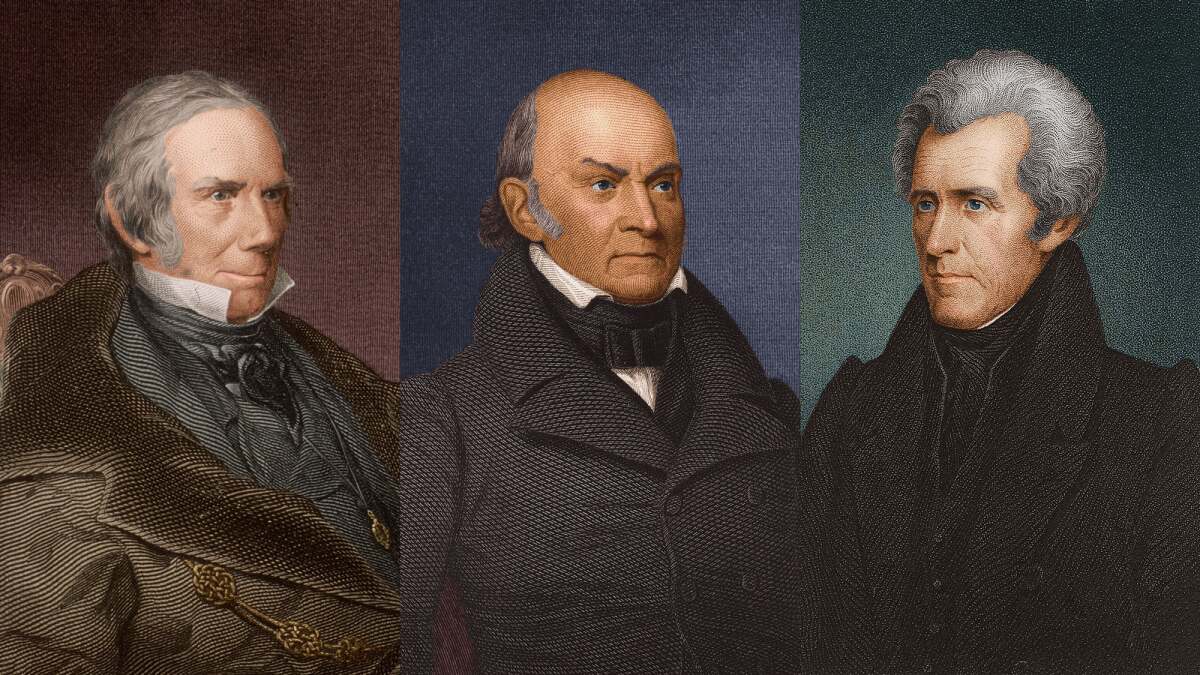
The Election of 1824: The Corrupt Bargain
The Election of 1824 is remembered as one of the most controversial in American history. It starred John Quincy Adams, the son of a former president, pitted him against war hero Andrew Jackson, and ended with accusations of corruption that would shape U.S. politics for years to come. It also marked the end of the…
-
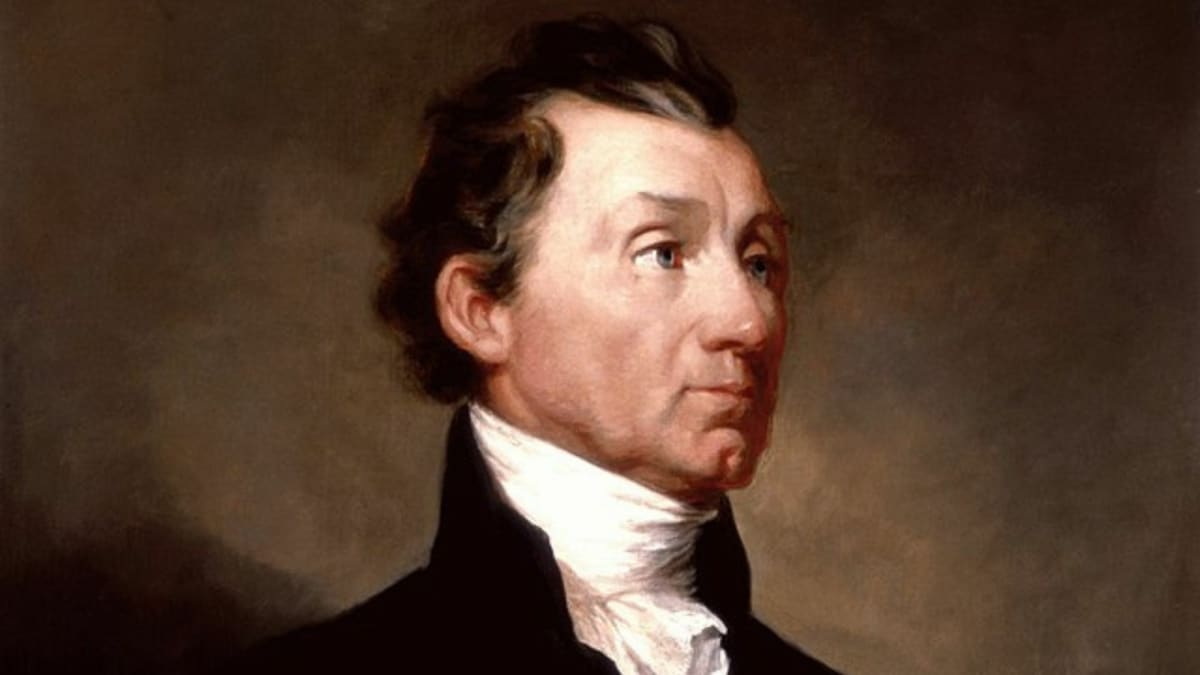
The Election of 1820: Monroe’s Near-Unanimous Victory
The Election of 1820 stands out as one of the most unusual contests in American history. Incumbent President James Monroe effectively ran unopposed, marking only the third and final time a presidential candidate faced no serious competition — and the last time a Founding Father sought the presidency. The Era of Good Feelings Since the…
-
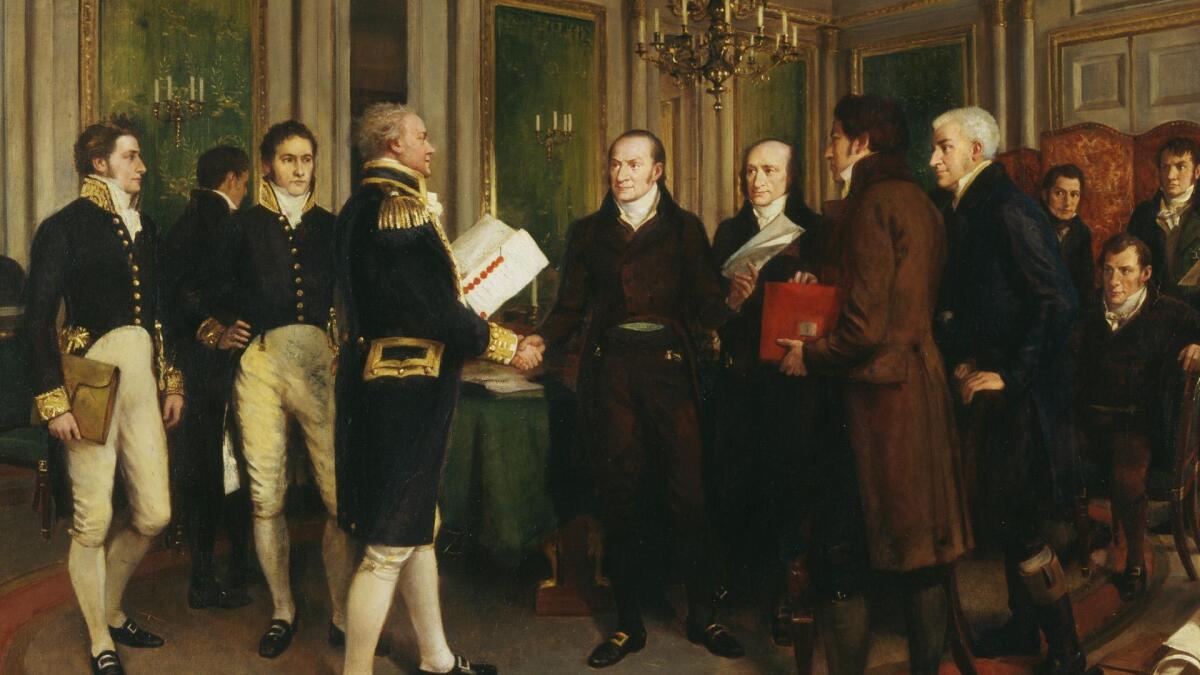
The Election of 1816: Monroe and the Death of the Federalists
The Election of 1816 marked a pivotal moment in U.S. history. As President James Madison prepared to retire, his successor James Monroe faced Federalist candidate Rufus King in what would prove to be the Federalists’ final serious bid for the presidency. The result was a decisive victory that ushered in the celebrated “Era of Good…
-
The Election of 1812: Madison’s Wartime Test
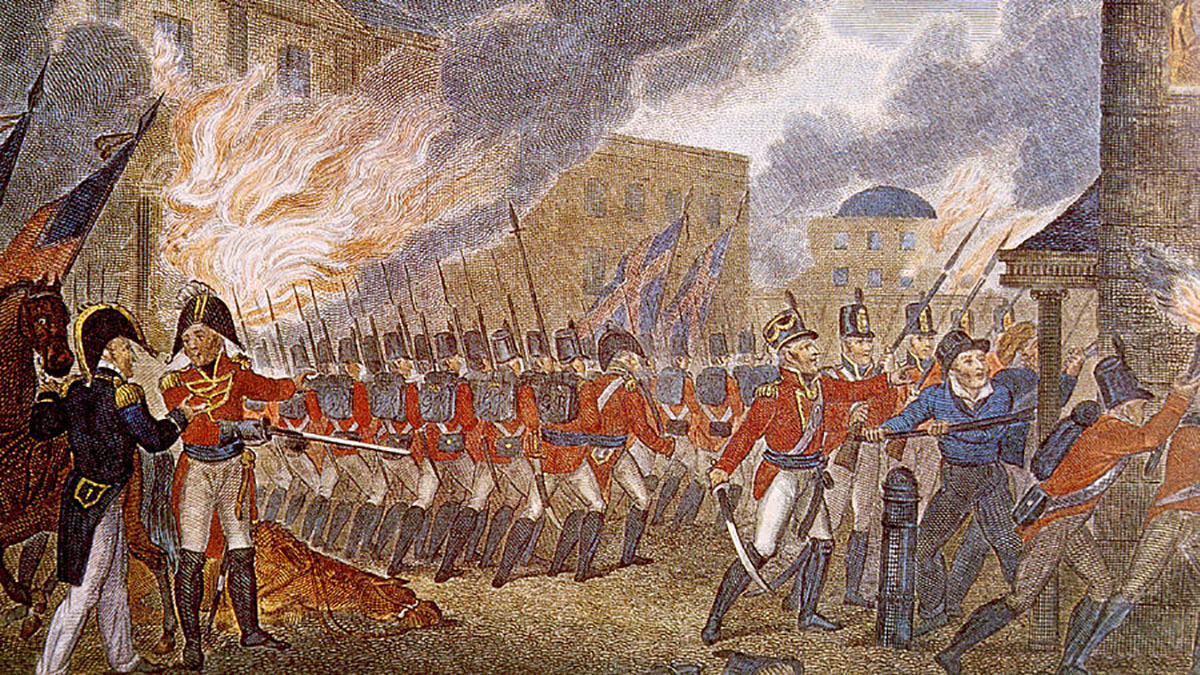
The Election of 1812 was the first U.S. presidential election held during wartime. Incumbent President James Madison sought re-election just months after declaring war on Great Britain, facing a serious challenge from DeWitt Clinton, the mayor of New York. It proved to be one of the most divisive contests of the early republic, with sectional…
-
The Election of 1808: Madison vs. Pinckney
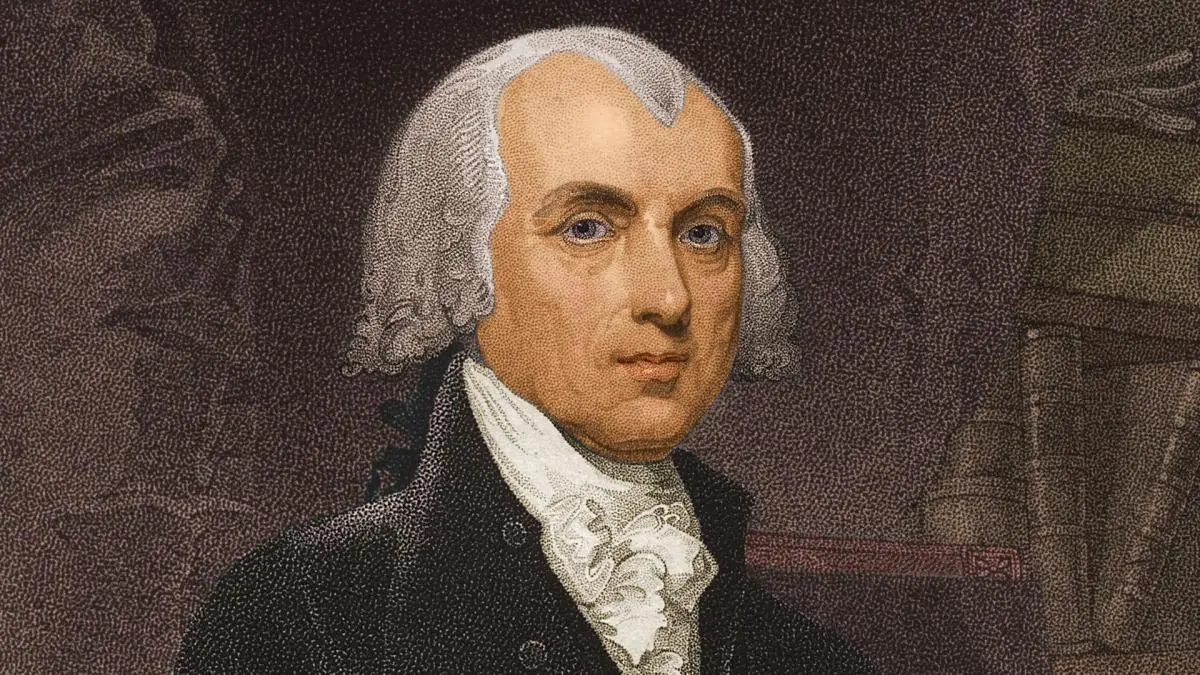
The Election of 1808 marked another decisive victory for the Democratic-Republicans as James Madison succeeded Thomas Jefferson in the presidency. Yet this was no easy coronation: the fallout from Jefferson’s Embargo Act of 1807, combined with growing dissent within the Democratic-Republican ranks, made this election a critical moment in early U.S. history. The Embargo Act…
-
Alexander Hamilton: The Federalist Visionary
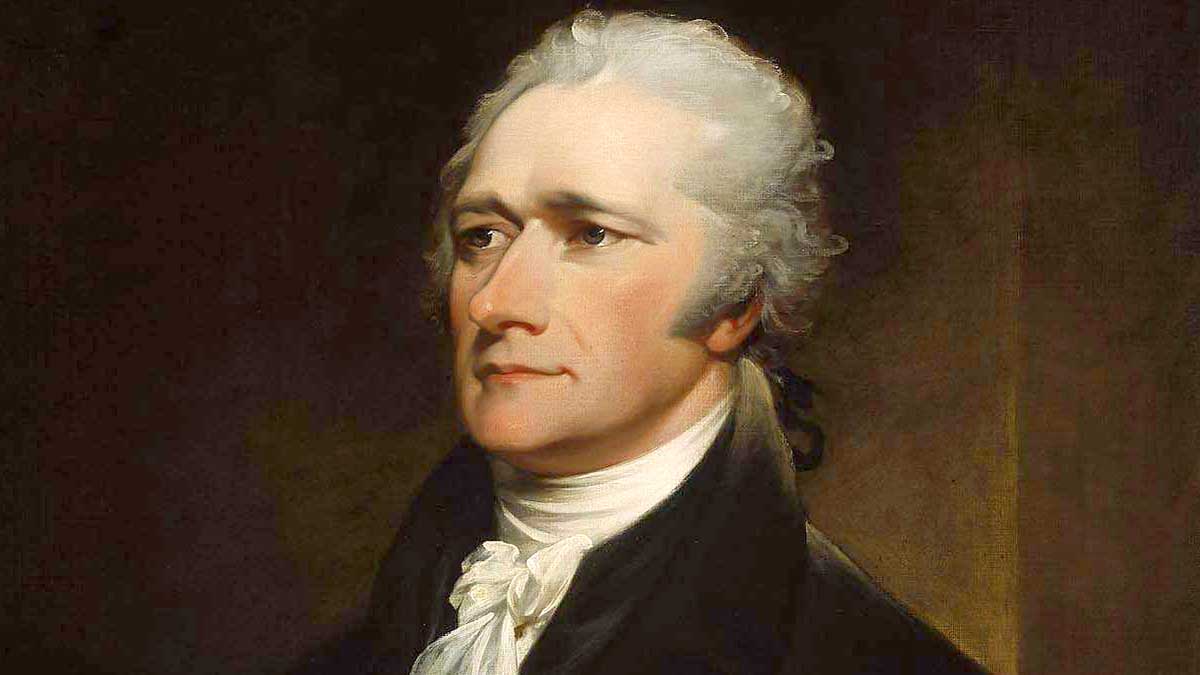
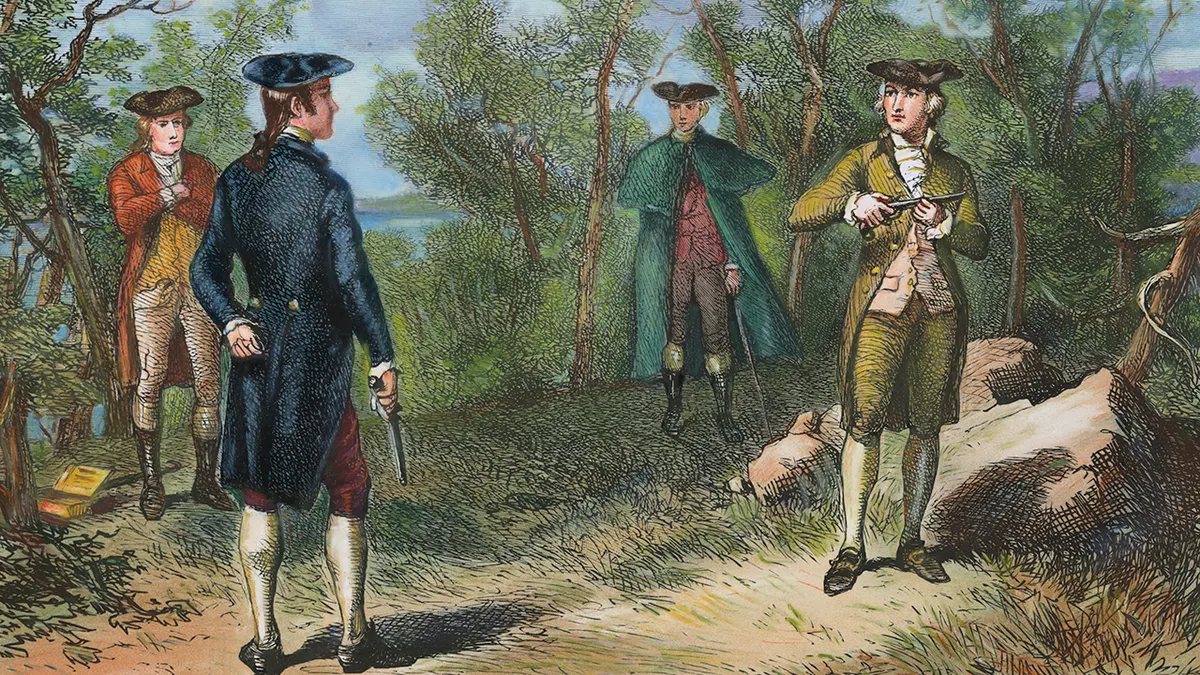
Few figures in early American history left as deep and controversial a mark as Alexander Hamilton. A brilliant thinker, soldier, and political strategist, Hamilton shaped the United States’ financial system and helped craft the Constitution — but his career ended in scandal, bitter rivalry, and a fatal duel. Early Life and Revolutionary Career Alexander Hamilton…
-
The Election of 1804: Jefferson Triumphs, Hamilton Falls
The Election of 1804 confirmed the political revolution of 1800. President Thomas Jefferson, buoyed by the Louisiana Purchase and strong public approval, sought re-election under the newly amended Constitution. For the first time, voters chose both the president and vice president on a single party ticket, following the ratification of the 12th Amendment. Background Jefferson…
-
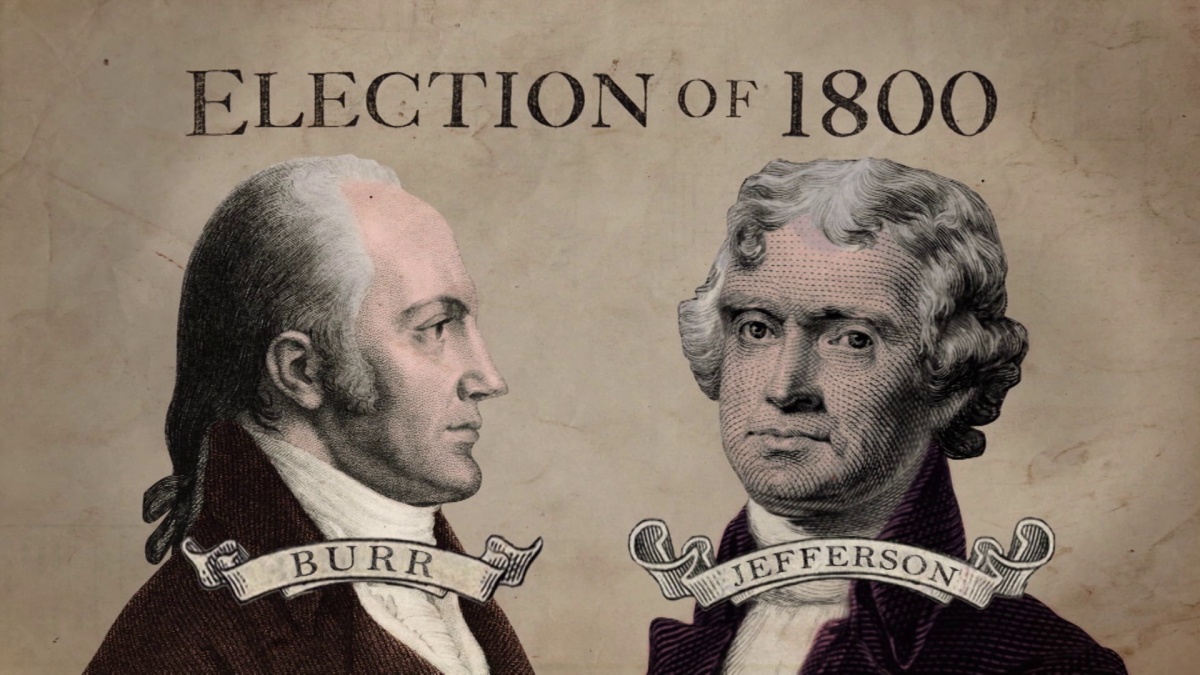
The Election of 1800: The Revolution of 1800
The Election of 1800, often called The Revolution of 1800, was one of the most transformative moments in early U.S. history. For the first time, power peacefully shifted between rival political parties, as incumbent Federalist John Adams faced off against Democratic-Republican challenger Thomas Jefferson. The result not only ended Federalist dominance but also tested the…
-
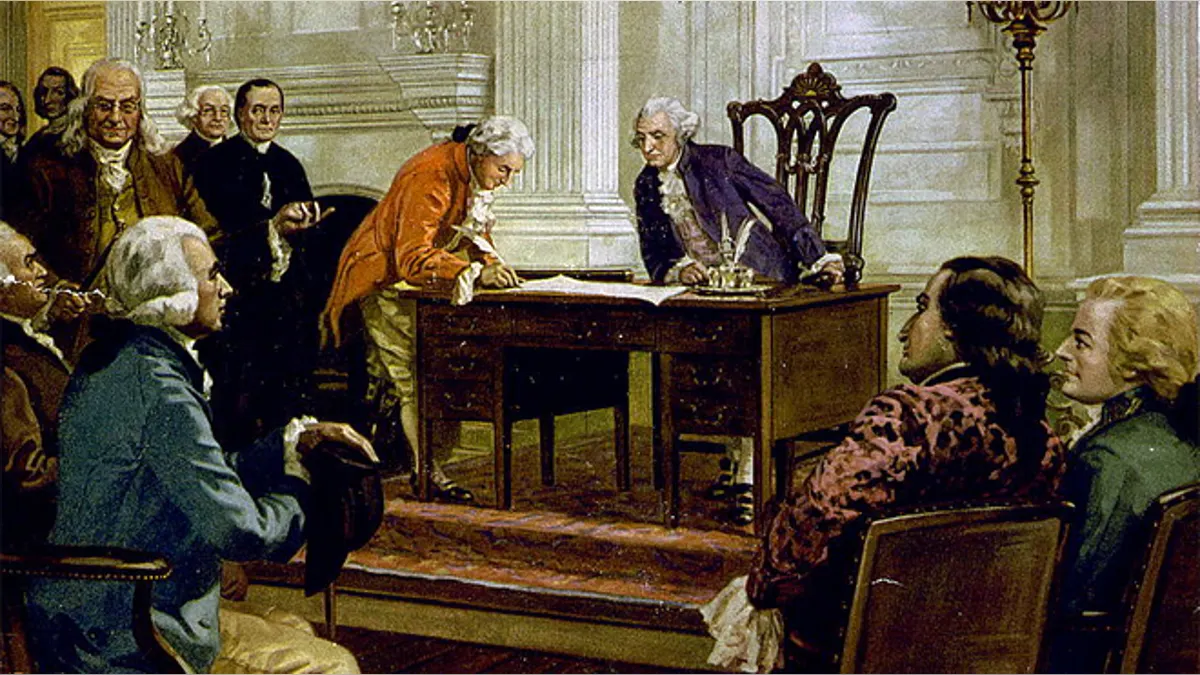
The Election of 1796: America’s First Contested Presidency
The Election of 1796 marked a turning point in U.S. history. With George Washington stepping down after two terms, the young republic faced its first competitive presidential race. For the first time, voters and electors had to choose between two opposing political parties — the Federalists and the Democratic-Republicans — in a contest that would…