Tag: US Elections
-
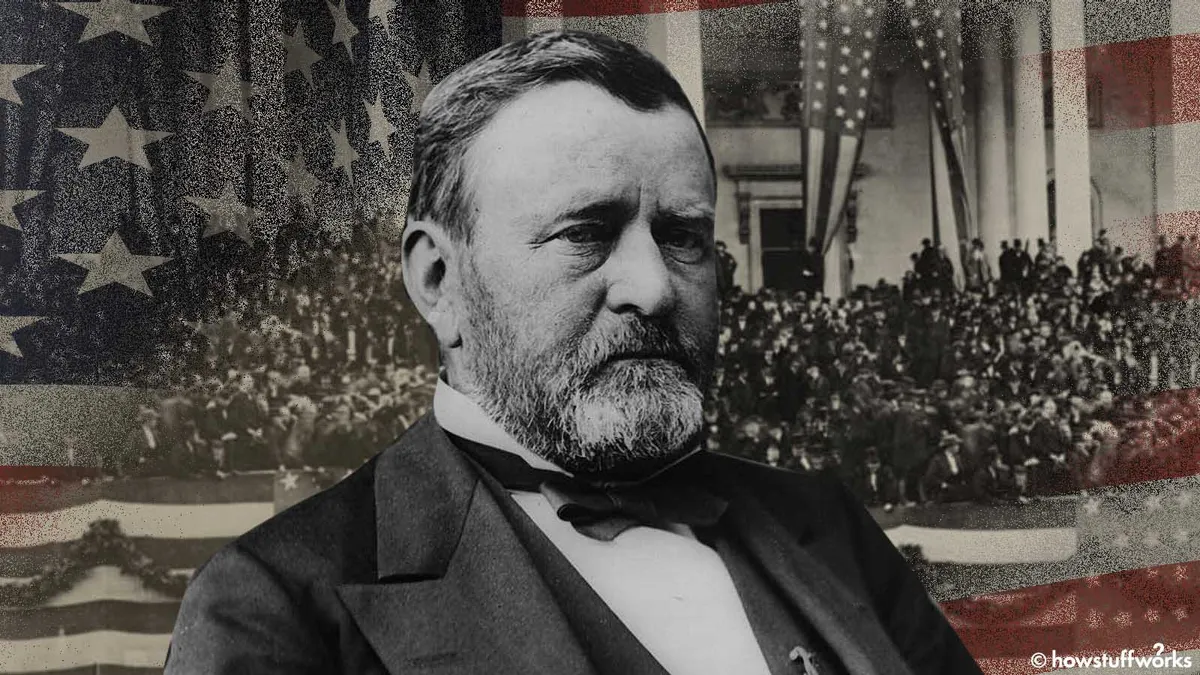
The Election of 1868: Ulysses S. Grant and Reconstruction
The Election of 1868 was the first presidential contest after the Civil War. Union General Ulysses S. Grant faced former New York Governor Horatio Seymour in a battle that would determine the direction of Reconstruction and the rights of newly freed African Americans. The Reconstruction Era By 1865, the Civil War had ended in Union…
-
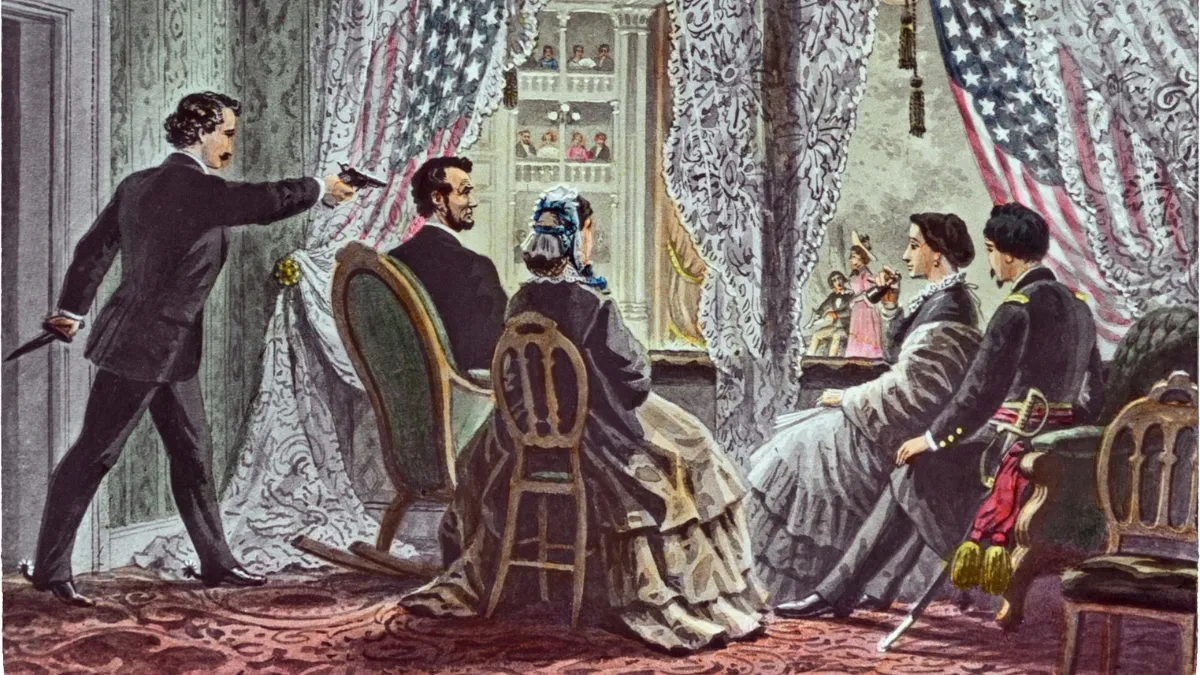
The Election of 1864: Lincoln, McClellan, and the Test of Union
The Election of 1864 was the first presidential election held in the midst of a war since 1812. With the Civil War raging and the Union’s future uncertain, Abraham Lincoln’s bid for a second term became one of the most dramatic contests in American history. America’s Darkest Hour Since Lincoln’s election in 1860, the country…
-
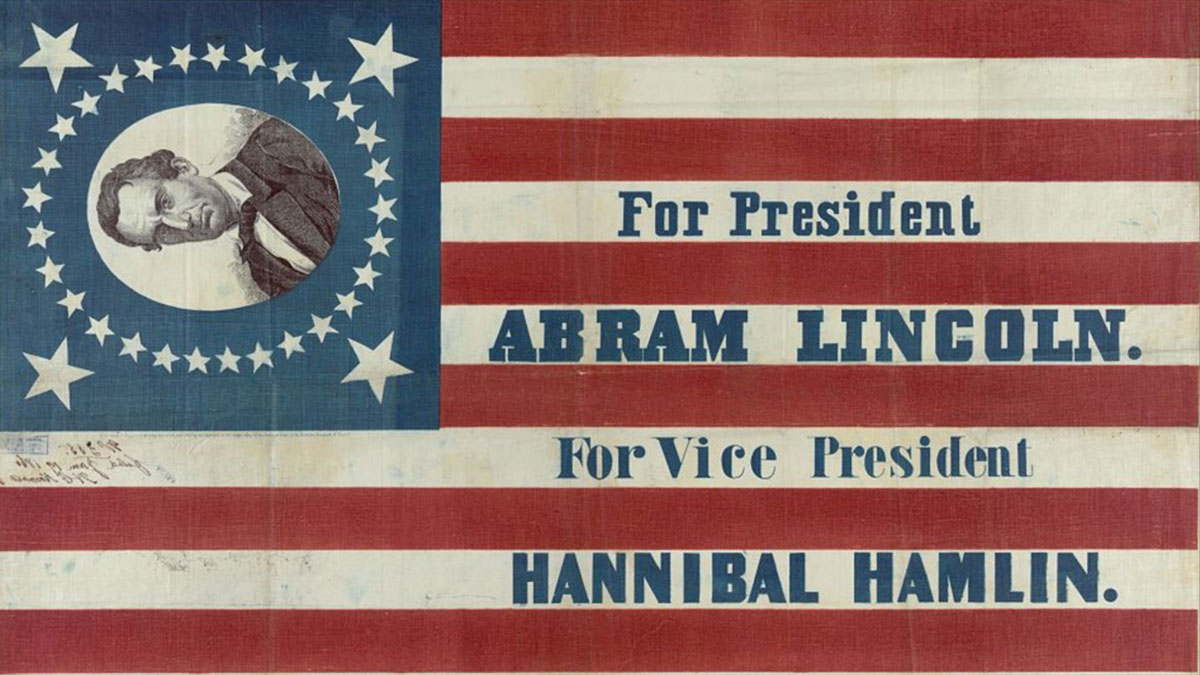
The Election of 1860: Abraham Lincoln and the Road to Civil War
The Election of 1860 stands as one of the most consequential presidential contests in American history. With the United States teetering on the brink of collapse, four major candidates — Abraham Lincoln, Stephen Douglas, John C. Breckinridge, and John Bell — battled in a sectional contest that would determine the fate of the Union. A…
-
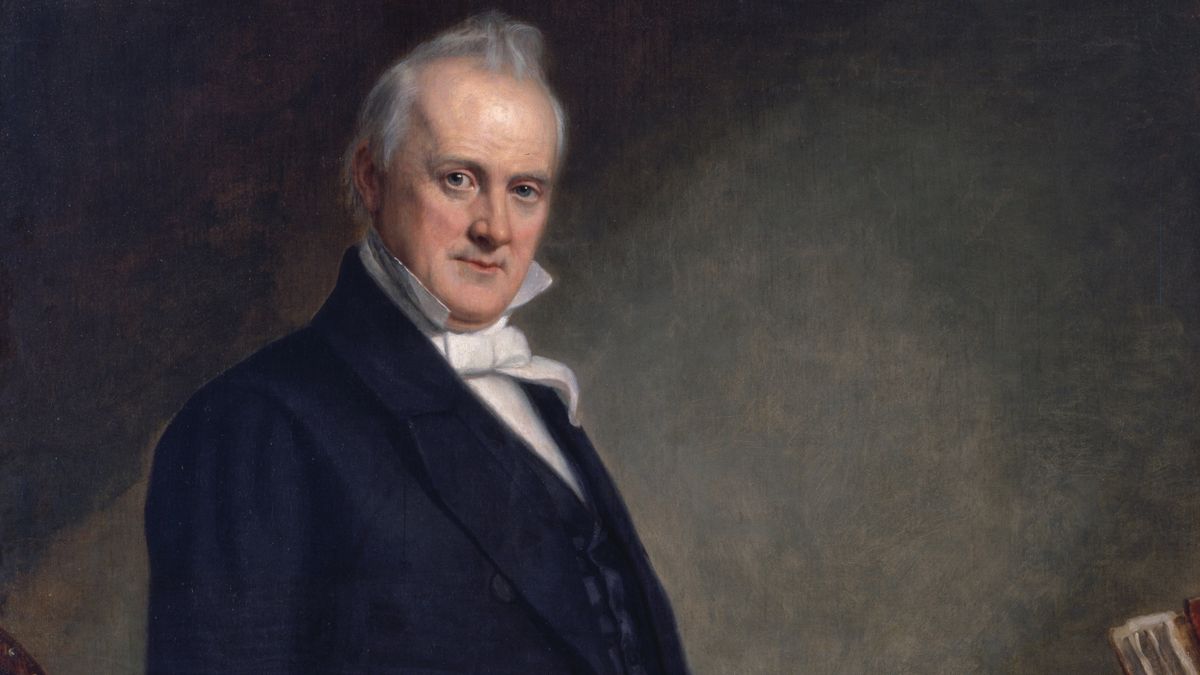
The Election of 1856: Buchanan, Frémont, and the Republicans
The Election of 1856 marked a critical turning point in American history. It was the first contest to feature the newly formed Republican Party, and it exposed the nation’s deepening sectional divide over slavery. Democrat James Buchanan, Republican John C. Frémont, and former president Millard Fillmore battled in a three-way race that foreshadowed the coming…
-
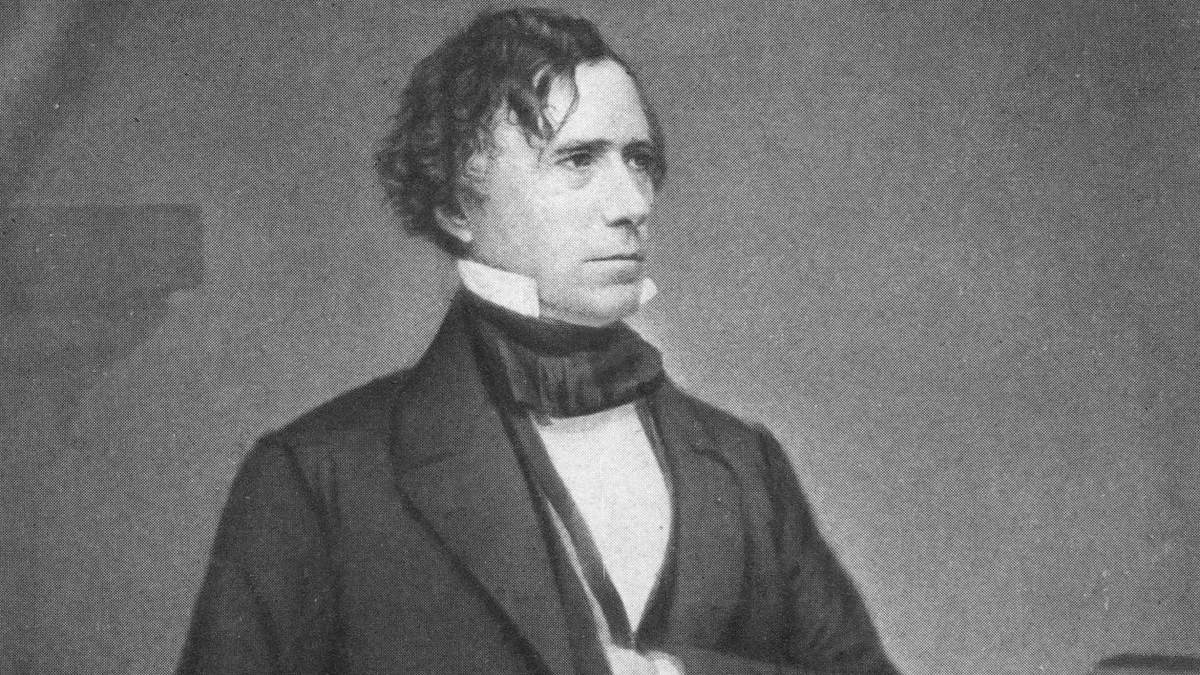
The Election of 1852: Franklin Pierce and the Fall of the Whigs
The Election of 1852 was a watershed moment in American history. Democrat Franklin Pierce faced off against Whig general Winfield Scott and Free Soil candidate John P. Hale in a three-way contest that ultimately marked the end of the Whig Party as a national force. Background: Taylor, Fillmore, and the Compromise of 1850 The Whigs…
-
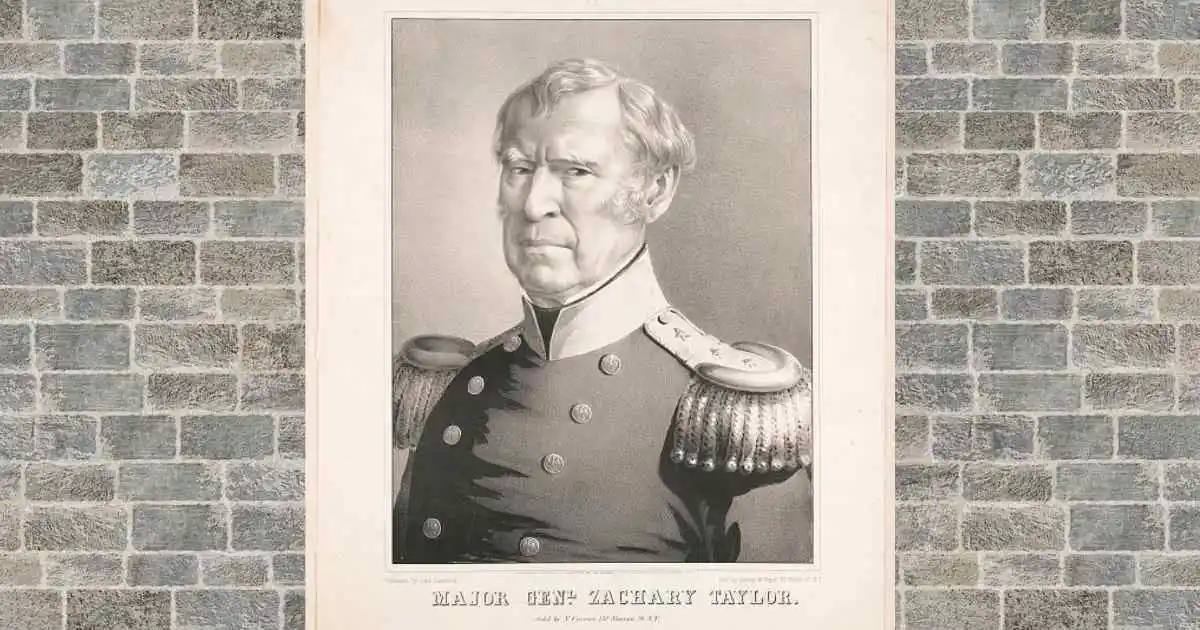
The Election of 1848: Taylor and the Rise of the Free Soil Party
The Election of 1848 was the first presidential contest held on the same day across all states — a standard that continues today. It was a three-way race between Whig war hero Zachary Taylor, Democratic Senator Lewis Cass, and former president Martin Van Buren, now running under the banner of the newly formed Free Soil…
-
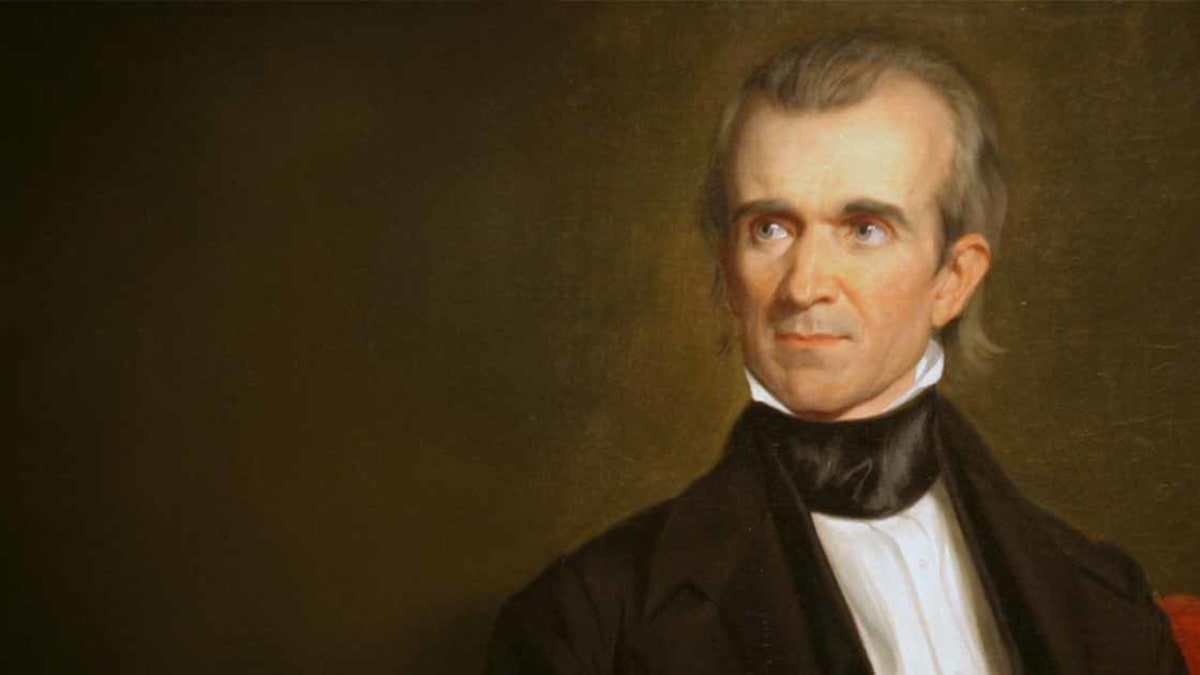
The Election of 1844: Polk, Clay, and the Politics of Expansion
The Election of 1844 was one of the most pivotal contests of the antebellum era. Whig Party founder Henry Clay returned for his third and final presidential bid, facing off against Democrat James K. Polk, an underdog candidate who became the nation’s first true “dark horse.” At stake was the explosive issue of territorial expansion…
-
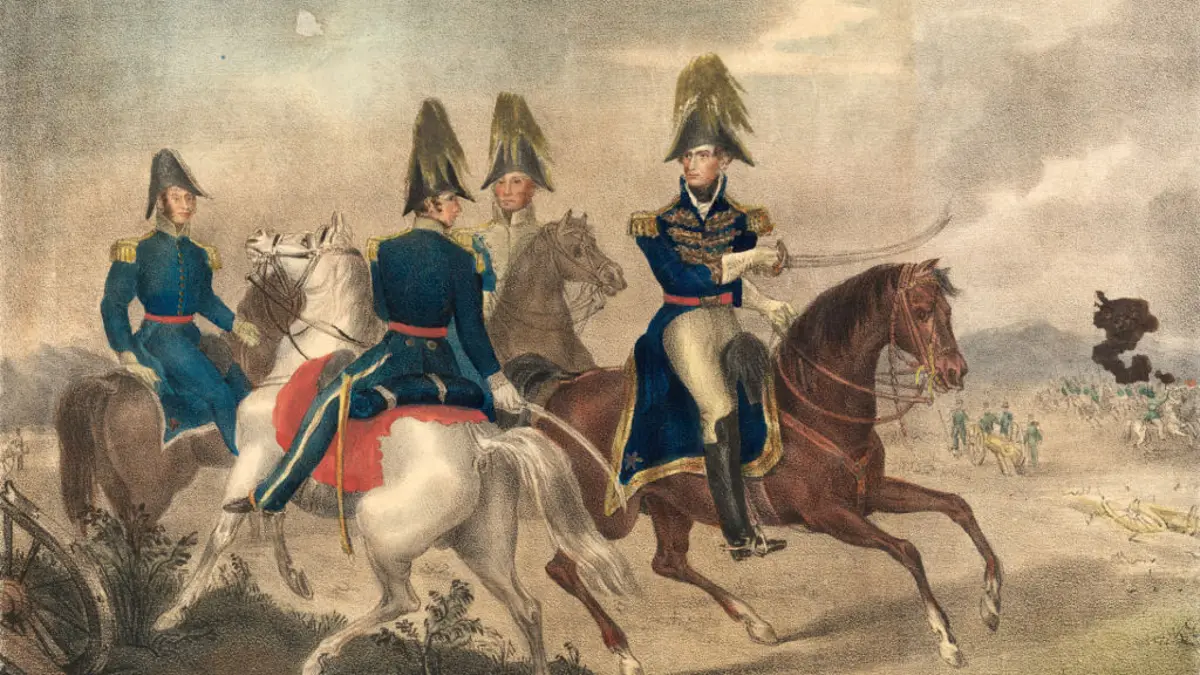
The Election of 1840: “Tippecanoe and Tyler Too”
The Election of 1840 was one of the most colourful and modern-feeling campaigns in early American history. Incumbent Democrat Martin Van Buren, weakened by economic crisis, faced off against Whig candidate William Henry Harrison in what was essentially a rematch from 1836. The result was not only a decisive Whig victory but also the shortest…
-
The Election of 1836: Van Buren vs. the Whigs’ Multi-Candidates
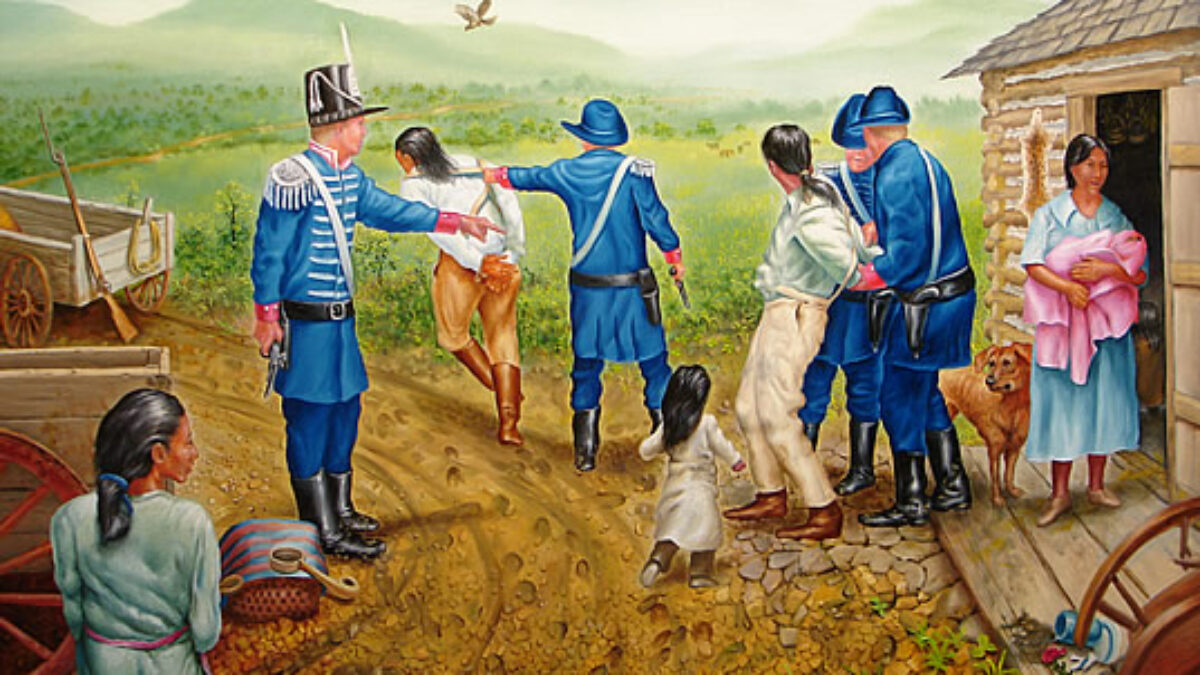
The Election of 1836 was one of the most unusual contests in U.S. history. Martin Van Buren, backed strongly by outgoing President Andrew Jackson, sought to carry forward Democratic dominance. But the newly formed Whig Party tried an unprecedented tactic: running multiple candidates to splinter the vote and deny Van Buren a majority. Van Buren…
-
The Election of 1832: Jackson vs. Clay and the Bank War
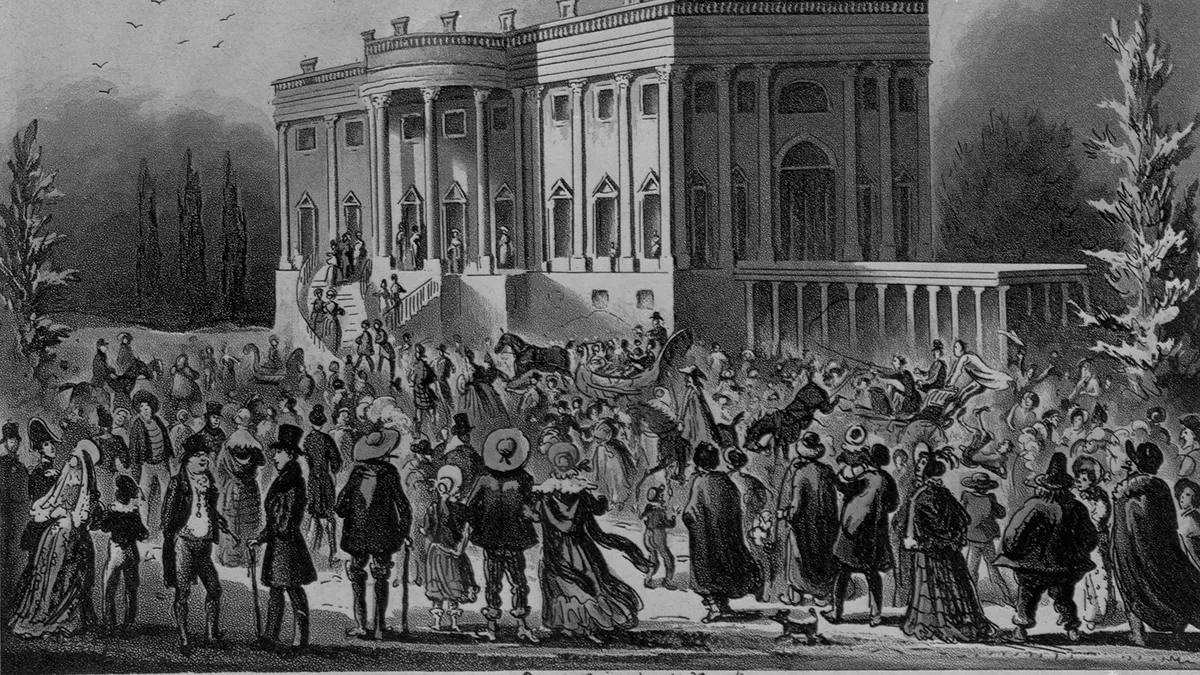
The Election of 1832 was the first presidential contest in U.S. history to feature multiple organised national parties. Andrew Jackson, known as “Old Hickory,” sought re-election amidst scandal, fierce opposition, and an escalating battle over the future of the National Bank. Jackson’s Presidency Jackson entered the 1830s as a populist hero but also a deeply…